Primitive Technology: Wood ash & crushed terracotta mortar

Wood ash & crushed terracotta mortar
Subscribe: http://bit.ly/subPT | Never miss a video! Enable ‘ALL’ Notifications!
Watch my newest content: https://youtube.com/playlist?list=PLGnWLXjIDnpBR4xqf3FO-xFFwE-ucq4Fj&playnext=1&index=2

Follow Primitive Technology:
Wordpress: https://primitivetechnology.wordpress.com/
Patreon: https://patreon.com/user?u=2945881

Watch More Primitive Technology:
Newest Uploads: https://youtube.com/playlist?list=PLGnWLXjIDnpBR4xqf3FO-xFFwE-ucq4Fj&playnext=1&index=2
Pyrotechnology: https://youtube.com/playlist?list=PLGnWLXjIDnpBVRqu5lz5JGaQxjPs7q3CJ&playnext=1&index=2
Shelter: https://youtube.com/playlist?list=PLGnWLXjIDnpBBsdKZb-vy30o88SIxItp2&playnext=1&index=2
Weapons: https://youtube.com/playlist?list=PLGnWLXjIDnpA-XGDrrmVgBnSXx15i2Awp&playnext=1&index=2
Popular Videos: https://youtube.com/playlist?list=PLGnWLXjIDnpAb29Lrdki5BPjTpMon8zla&playnext=1&index=2

About This Video:
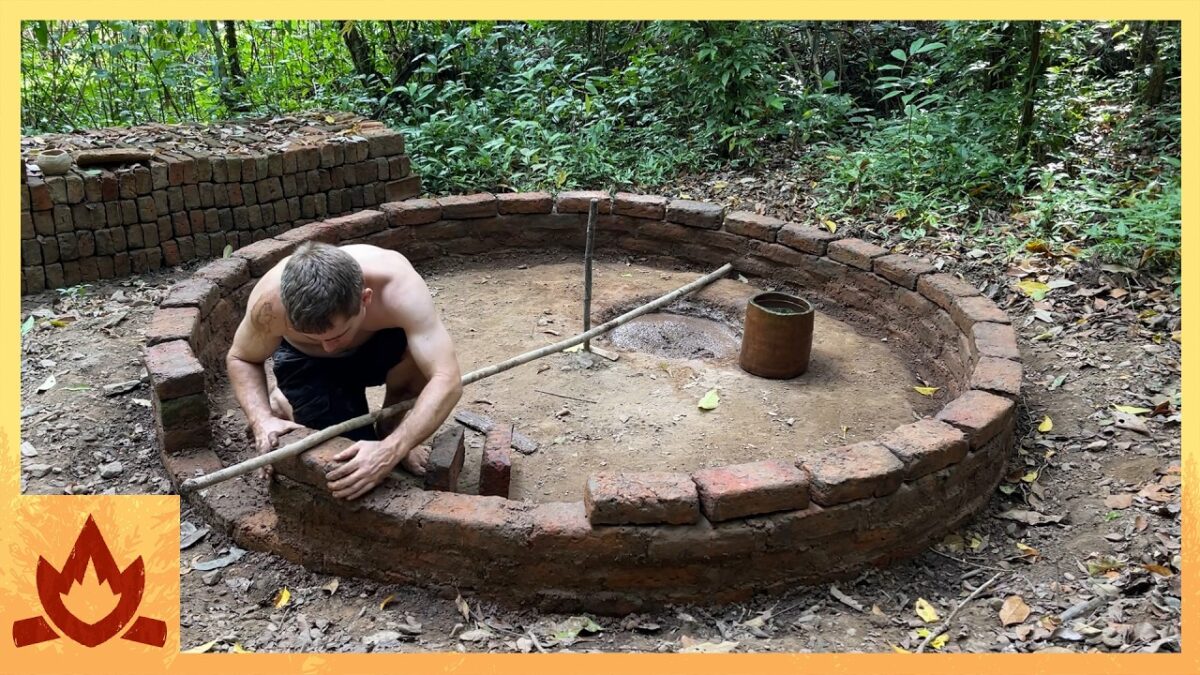
I made mortar from wood ash and crushed terracotta and then used it to mortar bricks together. The ash from previous brick firings was formed into pellets and re-fired in the kiln to calcine it. There is calcium in wood ash which behaves the same as limestone when burned so it will set after being wetted and allowed to dry. The aggregate was crushed terracotta from old broken bricks. These contributed alumina and silica which along with the sodium and silica from the ash form aluminosilicate chains, forming a geopolymer. It forms a noticeably stronger mortar than the previous on I made from wood ash and sand. Also the terracotta is easier to source than sand in this location. Mixing 1 part ash to 3 parts terracotta yielded a useable mortar. A sample was tested after 9 days of drying and did not dissolve in water. I’ll likely investigate easier ways to produce this material in future so I can build more structures with brick.

About Primitive Technology:
Primitive technology is a hobby where you build things in the wild completely from scratch using no modern tools or materials. These are the strict rules: If you want a fire, use a fire stick – An axe, pick up a stone and shape it – A hut, build one from trees, mud, rocks etc. The challenge is seeing how far you can go without utilizing modern technology. I do not live in the wild, but enjoy building shelter, tools, and more, only utilizing natural materials. To find specific videos, visit my playlist tab for building videos focused on pyrotechnology, shelter, weapons, food & agriculture, tools & machines, and weaving & fiber.

#PrimitiveTechnology #terracotta #wood
Primitive Technology: Wood Ash Cement

Primitive Technology: Wood Ash Cement – Creating wood ash cement from scratch
Subscribe: http://bit.ly/subPT | Never miss a video! Enable ‘ALL’ Notifications!
More videos, watch me cultivate and cook yams from scratch: http://bit.ly/2L5HmqY

Follow Primitive Technology:
Wordpress: https://primitivetechnology.wordpress.com/
Patreon: https://patreon.com/user?u=2945881

Watch More Primitive Technology:
Latest Uploads: https://youtube.com/playlist?list=PLGnWLXjIDnpBR4xqf3FO-xFFwE-ucq4Fj
Pyrotechnology: https://youtube.com/playlist?list=PLGnWLXjIDnpBVRqu5lz5JGaQxjPs7q3CJ
Shelter: https://youtube.com/playlist?list=PLGnWLXjIDnpBBsdKZb-vy30o88SIxItp2
Weapons: https://youtube.com/playlist?list=PLGnWLXjIDnpA-XGDrrmVgBnSXx15i2Awp
Popular Videos: https://youtube.com/playlist?list=PLGnWLXjIDnpAb29Lrdki5BPjTpMon8zla

Partial credit for this idea goes to James Keane who I discussed this with on my wordpress site (see conversation): https://primitivetechnology.wordpress.com/2018/03/06/lime/#comment-9736
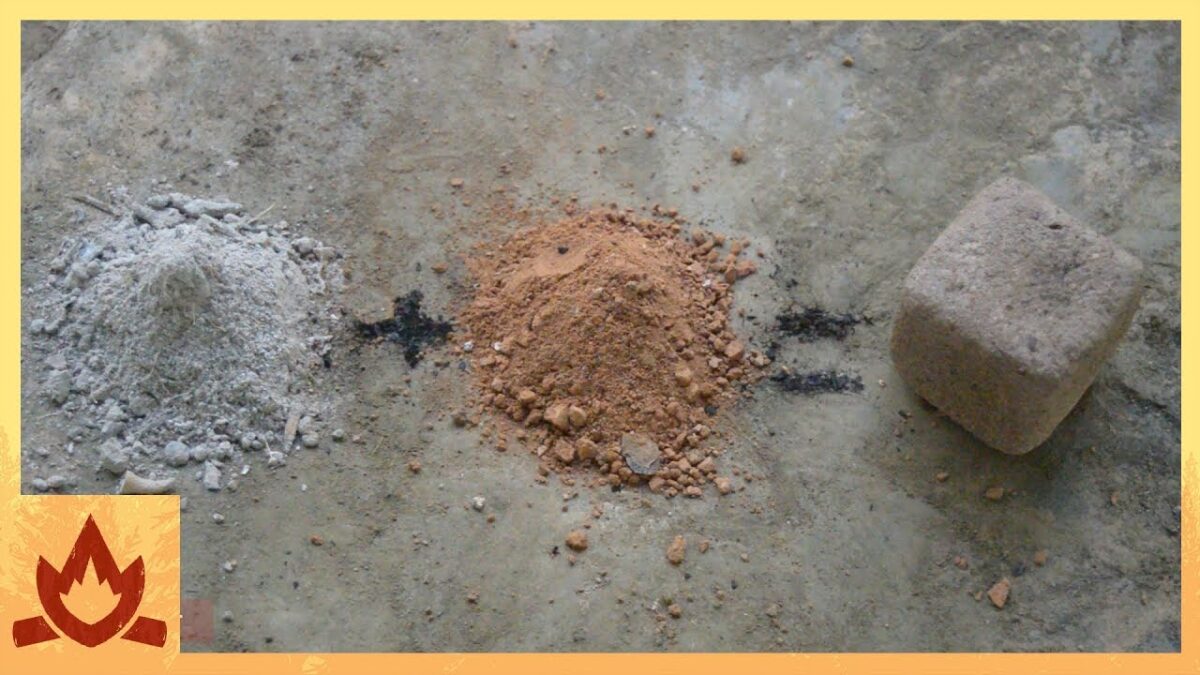
I developed an experimental cement from made only from re-fired wood ash as its cementitious material. It was mixed with crushed terracotta as an aggregate and formed into a cube. The cement set hard after 3 days and did not dissolve in water after this period.
Process: First I burnt bark and leaves in a kiln at high temperatures to produce well burnt, mostly white wood ash. The ash was then mixed into water and stirred well. The excess water was poured off and the resulting paste was made into pellets and allowed to dry. A pellet was then re-heated in the forge until it glowed about orange hot. This was then taken out, cooled and dropped in a pot of water. The pellet dissolved and boiled due to a chemical reaction with the water. The paste was stirred and crushed terracotta (old tiles from previous projects) was added and mixed to form a mouldable mortar. This was formed into a cube and allowed to set for three days (in the video, a cube made exactly the same way 3 days previously was used due to time constraints). The resultant cube was strong and made a slight ringing sound when tapped with a finger nail. It was placed in water for 24 hours to simulate a very heavy rain event and did not dissolve or release residues into the water.
My current theory: The main component of wood ash consists of calcium in some form (e.g. calcium carbonate, calcium oxide). This can be up to 45% from my research. Calcium is in higher concentration in the bark and leaves of a tree. When the ash is mixed with water, the soluble component of wood ash (10% pot ash) dissolves into the water. But seeing that it does nothing for the cementing process, it is drained off leaving the insoluble calcium (and other components) in the paste. Doing this probably raises the relative percentage of calcium in the paste to about 50% or more. Most of the other 50 % consists of silica and alumina which are pozzolans, materials that chemically react with calcium hydroxide to increase the durability of the cement product. The paste was then made into a pellet and fired again to high temperature to convert all the calcium compounds to calcium oxide. It also reduces any charcoal in the pellet to ash if it hadn’t already been burnt the first time. This step seemed important as un-fired ash pellets only partially hardened and would fall apart in water, though retaining a weak undissolved 5mm thick crust. I can only surmise that re-firing the ash just gave a greater conversion of the calcium components to calcium oxide. The pellet is slaked in water converting the calcium oxide to calcium hydroxide. This cement was mixed with crushed terracotta which may also help in some way that I’m not aware of as I only did this one experiment and did not test other aggregates yet (e.g. sand, gravel etc.). Terracotta is porous and might hold together better than other materials. The mixture is allowed to set in air where carbon dioxide reacts with calcium hydroxide to form calcium carbonate cementing the aggregate together. After this, the cement will not dissolve in water.
Use: I think this material might have a potential use as a mortar holding rocks or bricks together in wet environments where limestone or snail shells are unavailable for making cement. Wood ash is a pretty ubiquitous material to most natural environments inhabited by people using biomass fuels. Wood ash cement turns a waste product into a valuable building material. From my research, wood ash is already being used as a partial replacement for cement in the building industry without decreases in strength of the final product. But I’ve only just started experimenting with it and don’t know its full capabilities and limitations. Calcium content of wood ash differs depending on the species of tree, the part of the tree burnt and the soil it’s grown on. Cautious experimentation is still required before committing to a hut built from this material.

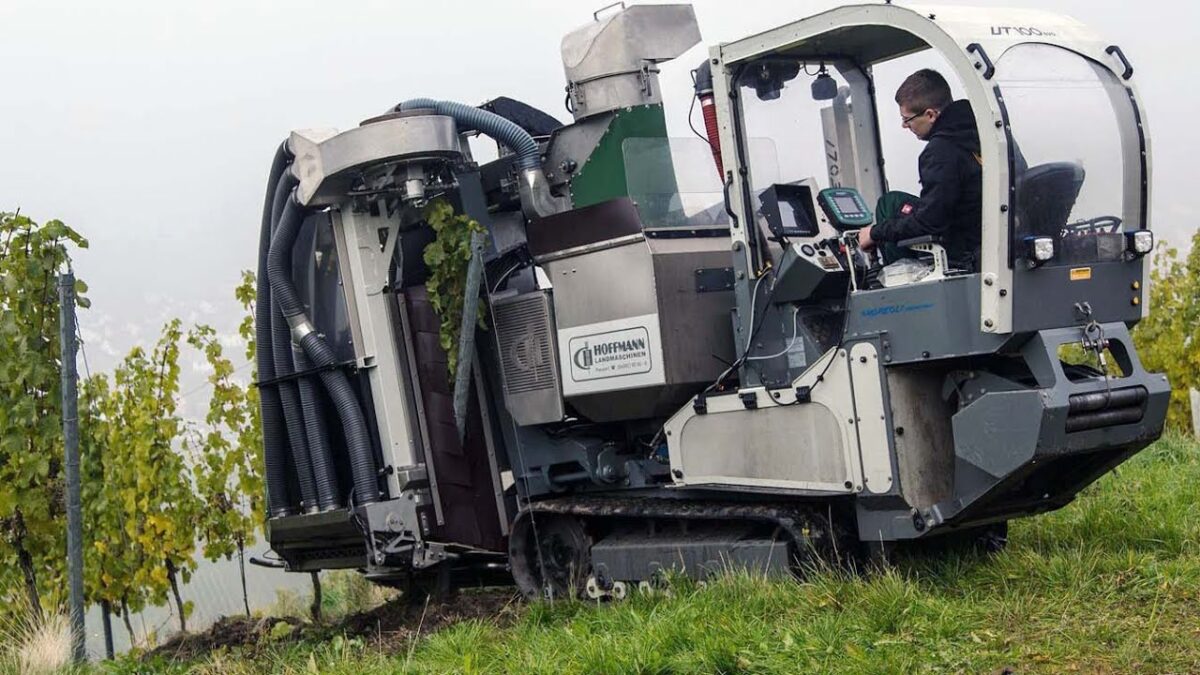
Amazing Harvester Machines, Modern Technology Farming Machines Working

https://youtube.com/watch?v=RUoHwCZDy-U

Amazing Harvester Machines, Modern Technology Farming Machines Working
ENJOY! and please subscribe: http://bit.ly/2J2ZdLa
In this video production here:
HOFFMANN Landmaschinen
https://www.hoffmann-landmaschinen.de/de/

Obsttechnik Feucht
www.feucht-obsttechnik.de

Repossi Macchine Agricole
http://www.repossi.it

Loftness Specialized Equipment

Home

#TTHmachine
– We do NOT own the video materials and all credits belong to respectful owners. In case of copyright issues, please contact us immediately for further credits or clip delete.
—————————————————————————————————
– DISCLAIMER:
Under Section 107 of the Copyright Act 1976, allowance is made for “fair use” for purposes such as criticism, comment, news reporting, teaching, scholarship, and research. Fair use is a use permitted by copyright statute that might otherwise be infringing.”
The materials are used for illustrative and exemplification reasons, also quoting in order to recombine elements to make a new work.

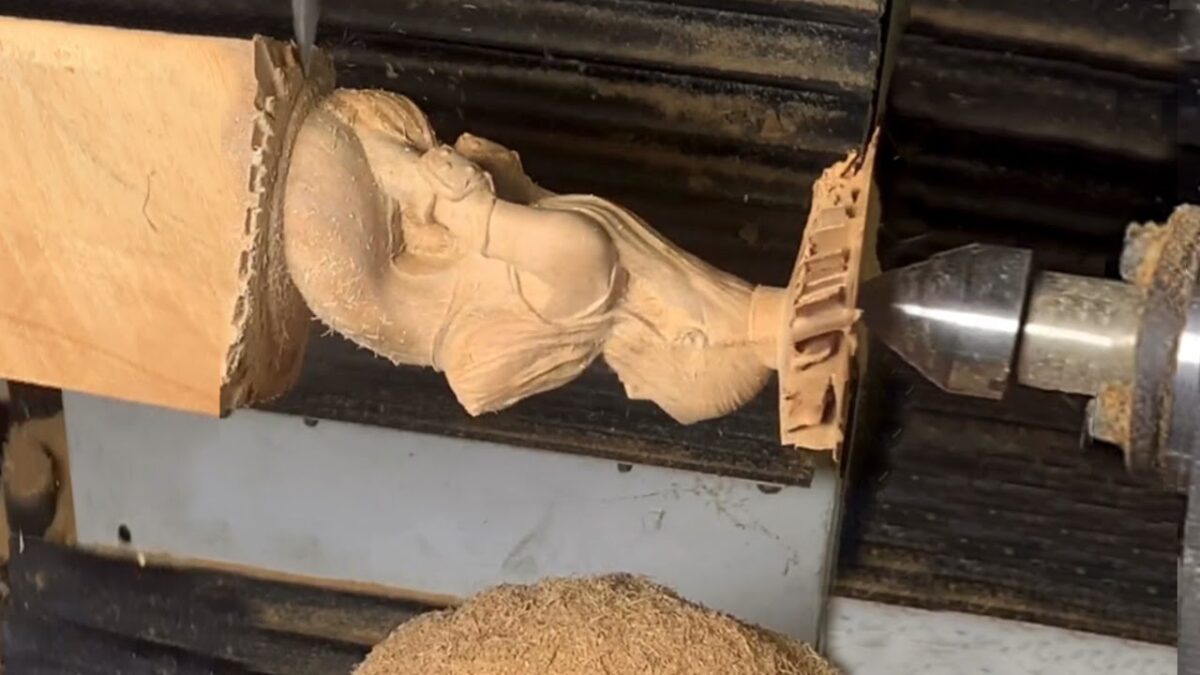
Awesome Fastest Wood Lathe Machines Processor – Automatic CNC Technology Woodworking Machine

https://youtube.com/watch?v=_IkS_hUe_7w

Awesome Fastest Wood Lathe Machines Processor – Automatic CNC Technology Woodworking Machine

Thank For Watching!!!

Please Subscribe Now: bit.ly/BestMachines

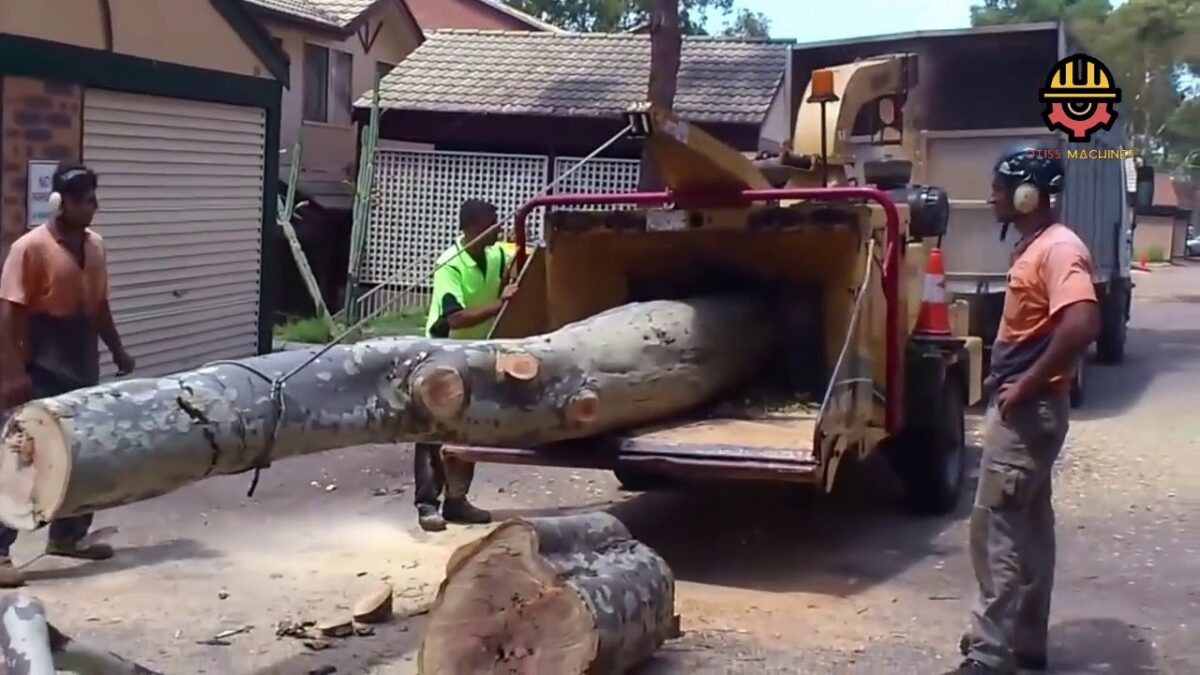
Incredible Dangerous Fastest Biggest Wood Crusher, Extreme Tree Removal Machines Modern Technology

https://youtube.com/watch?v=PCdCSxIpT_Y

Incredible Dangerous Fastest Biggest Wood Crusher, Extreme Tree Removal Machines Modern Technology

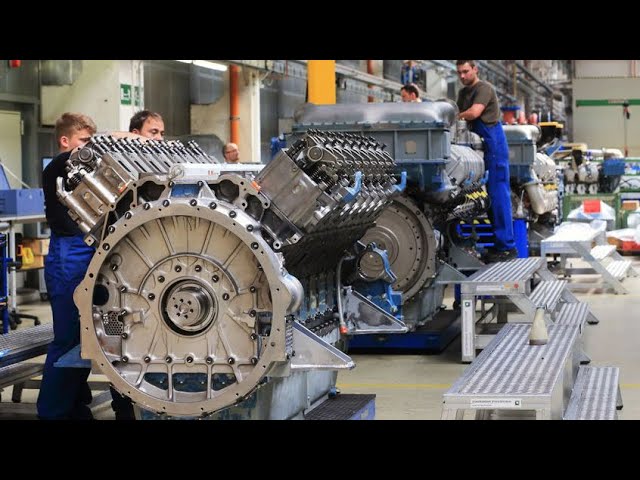
Amazing Biggest Engine Work And Modern Technology Manufacturing

https://youtube.com/watch?v=6ITG3XHEH68

Amazing Biggest Engine Work And Modern Technology Manufacturing
? Thanks for watching my videos, enjoy, and subscribe for more interesting videos!
https://www.youtube.com/channel/UCRQpO8vWxhiGjwv5cXZnK6g?view_as=subscriber?sub_confirmation=1
In this video, Production here:
MASCHINENFABRIK ALFING KESSLER
https://www.alfing-crankshafts.com/en/

Mtusolutions
https://www.mtu-solutions.com/

For copyright issues or if you want a video clip removed, please contact:
EMAIL: mr.cool9x92@gmail.com
Thanks!

Amazing Automatic Wood Sawmill Machines Modern Technology – EXTREME Fast Wood Cutting Machine

Amazing Automatic Wood Sawmill Machines Modern Technology Cutting Big Tree easy
– Biggest line wood cutting machine

Subscribe my channel to watch the newest videos.
Subscribe now: https://goo.gl/8TGBfC
Thanks you!